A promising product idea still leaves questions to answer before you commit more time and budget. You may need to check whether an unfamiliar integration works or see how people use a planned workflow.
Comparing PoC vs MVP vs prototype helps you choose a useful first step. Each approach gives you different evidence, so the right choice depends on what you need to learn.
This guide explains the differences and shows practical use cases to help you decide what to build first. If the problem or intended users are still unclear, start by understanding their needs before choosing a build.
PoC vs MVP vs Prototype: The Key Differences
Each approach produces a different kind of evidence. For a PoC, a software systems integration test checks whether data moves from one app to another. Prototype testing shows how people move through a planned task. With an MVP, you observe how they complete that task in real use.
The table below shows how the three differ from each other:
| PoC | Prototype | MVP | |
| Main question | Does this technical approach work? | Do users understand this workflow? | Does the product deliver useful value? |
| Typical output | Focused experiment or technical demo | Model of a proposed experience | Working product with limited scope |
| Participants | Engineers and relevant stakeholders | Intended users and reviewers | A defined group of early users |
| Evidence | Results under specified test conditions | Task behavior and user feedback | Usage and feedback from actual operation |
Tip: Startups with limited resources can test customer interest before building a full product with an MVP. Although a demo video, a landing page, or a survey can explain the idea and help gather feedback, a working MVP shows how people actually interact with the product.
Practical Use Cases for PoC, Prototype, and MVP
Start with what you need to learn about your product. These use cases from our previous projects will show you what each build can test and how the results guide your next step.
PoC Use Case: Testing 3D Visualization on Mobile Devices
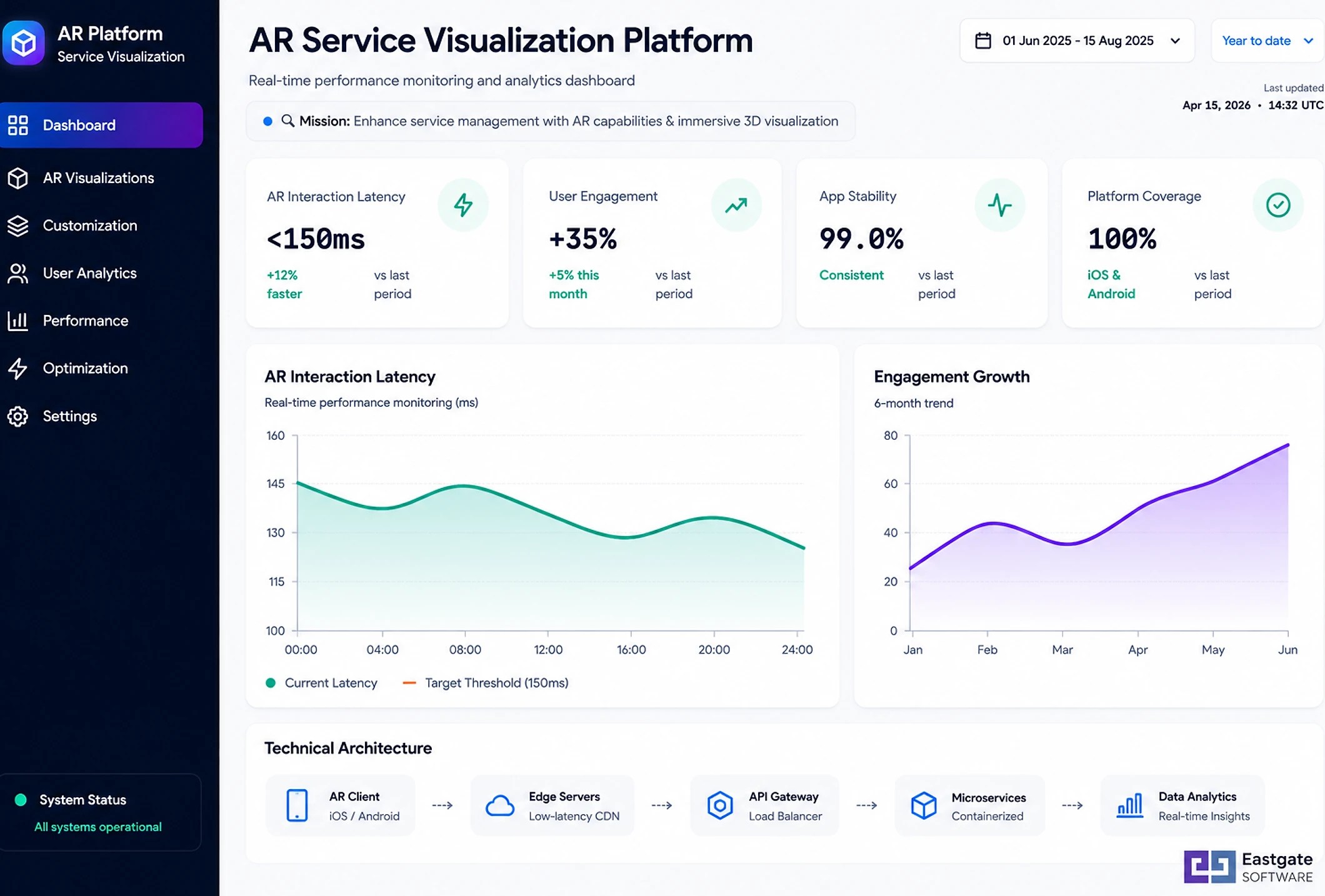
Our 3D service visualization project required complex models to stay interactive on mobile devices. The application needed responsive interaction across the devices its users would carry.
For a similar product, use a PoC to check whether a representative 3D model loads and responds reliably on your target phones. Test the technical approach before committing to the full app.
Prototype Use Case: Testing an Event Booking Workflow

Our event marketplace project addressed a fragmented booking experience. We built a shared web and mobile platform to help organizers coordinate with venues and vendors.
For a similar project, a clickable prototype could let intended users try finding a venue and submitting a booking request. Watch where they hesitate or need help. Then revise and retest the flow before building the live booking system.
MVP Use Case: An ESG Scoring and Reporting Platform
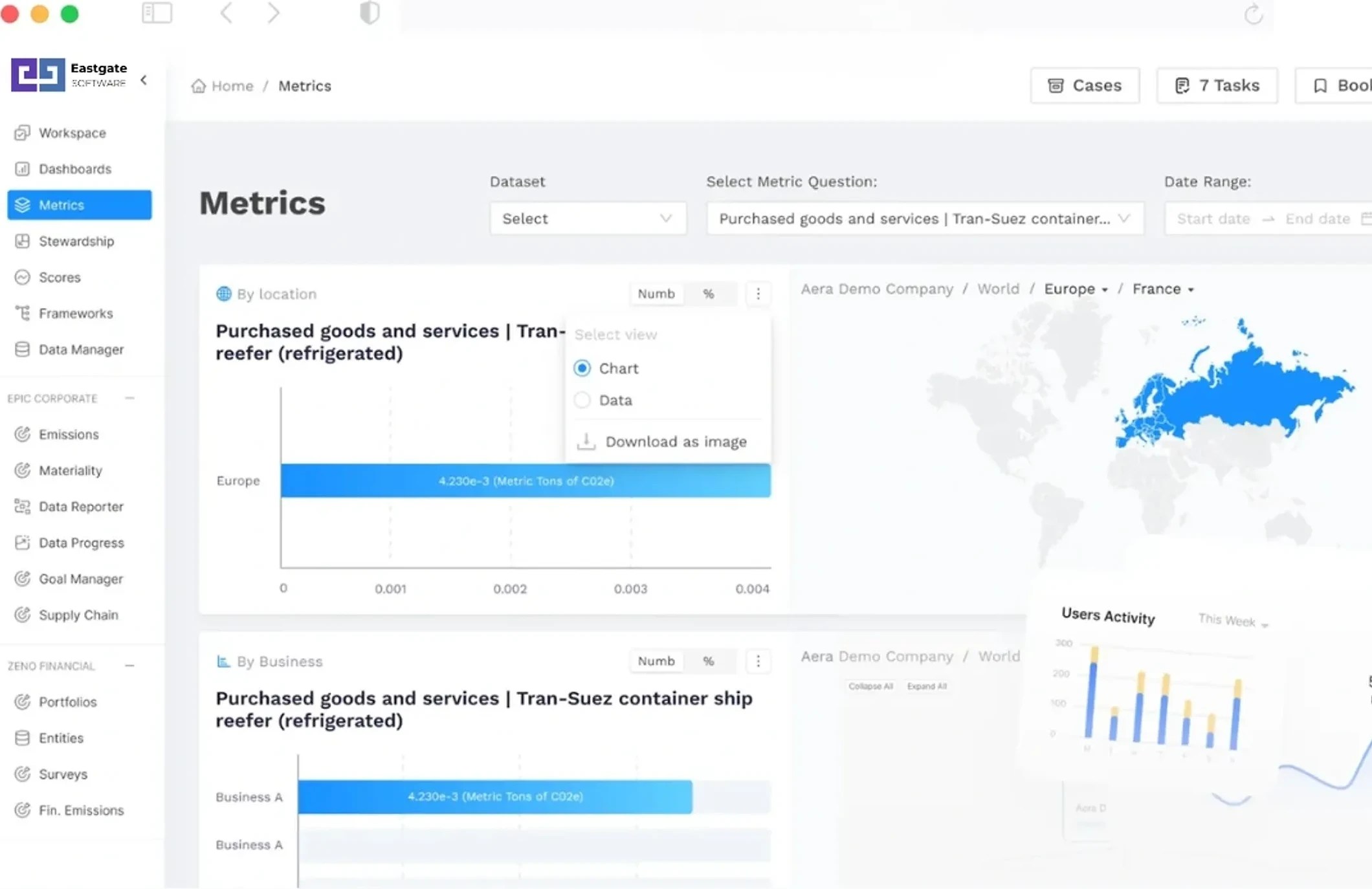
Seneca ESG needed to replace slow, manual collection of environmental, social, and governance (ESG) data. Our ESG scoring and reporting platform automated data collection and scoring. We delivered an MVP in eight weeks, followed by production launch at 14 weeks.
For your own MVP, define the assessment task users should be able to complete in the first release. Observe where they still need manual help and whether they return for the next assessment. Use those findings to decide what to improve before expanding the product.
How PoC, MVP, and Prototype compare in practice
Your choice affects how much software you need to build and support. These comparisons show what each approach must deliver and the work needed to keep the product running reliably for users.
PoC vs MVP: technical feasibility vs market demand
A PoC checks whether a specific technical approach works. For example, it can test whether your app reads data from another system in a test environment. The result applies only to the operation and conditions you tested.
An MVP must let users complete the core task in real use. It needs to save their work correctly and show the result where they need it. You can then observe whether people complete the task and return when they next need the product.
Use the PoC result to decide whether to develop the technical approach further. With an MVP, you also take responsibility for keeping the product working reliably for its users.
MVP vs Prototype: a working product vs a test model
A clickable prototype lets people try a proposed workflow without changing real records. For example, clicking “Approve” might show a confirmation screen. In an MVP, that action must save the approval correctly and show the updated status.
Some prototypes include working code. The difference is what the build is for: a prototype tests the planned experience, while an MVP supports the task in everyday use. Releasing an MVP also means protecting user data and keeping the product reliable when users use it in real-life situations.
Proof of Concept vs Prototype: technology vs user experience
A PoC checks whether the technology performs a specific operation, such as saving an approval correctly. A prototype checks whether users understand the planned workflow and can find the approval button.
One build can support both tests, but define success separately. Check whether the approval saves correctly and whether users can find the action without help. A failed save points to a technical issue. Difficulty finding the button points to a design issue.
What PoC, Prototype, and MVP results tell you
Use each test result to decide what to test or build next. The sections below explain what the findings support and what still needs checking before you invest further.
PoC: technical feasibility and integration risks
A successful PoC shows that a specific operation worked under the conditions you tested. For a hypothetical invoice-approval app, that could mean saving an approval in an accounting sandbox, a separate test environment. Record what worked and where you tested it.
If the PoC did not check permissions for live use, confirm that the app is allowed to save approvals. Also check how it recovers from a failed save if that was outside the test.
A failed PoC can still help you rule out an unsuitable approach or identify a missing requirement. If the result is unclear, improve the test before drawing a conclusion.
Our guide to creating a successful PoC explains how to define what counts as success and use the test results to decide what comes next. If you move toward release, check which code you can reuse and which parts need more work to run reliably for users.
Prototype testing: usability and workflow issues
Prototype testing lets you observe people trying the workflow. Record who took part and what they completed without help. Note where they hesitated or got stuck, so you know which parts of the sequence need to be improved.
For example, if approvers miss the option to reject an invoice, revise the screen or flow. Repeat the test without coaching under similar conditions. If participants now find the option, you have evidence that the change helped with that task and user group.
MVP: user adoption, repeat use, and early demand
An MVP shows how people use a working product. To learn whether a feature is useful, test it with people who need it over a period that matches how often the task comes up.
During that period, track who signs up separately from who completes the task. Then check whether users return when they next need the feature. If they try it once and go back to their old process, find out why before adding features.
Use the findings to update your product roadmap, the plan for what your product should achieve. Product-market fit means the product meets sustained demand in its target market. Early activity from a small user group does not prove that.
PoC, Prototype, or MVP: What’s best for your startup?

Start with what your startup still needs to learn. The options below show when to choose a PoC, prototype, or MVP.
- Choose a PoC: Check whether the technical approach works before committing to a larger build. Focus the test on the uncertain part.
- Choose a prototype: Find out whether users can follow the planned workflow. Let them try the design before building the full experience.
- Choose an MVP: Learn from people using a working product. Track whether early users complete the core task and return when they next need it.
A competing product helps you understand customers’ existing options, but you still need evidence that your approach actually gets you profit. Test whether your target customers have a reason to choose your offer and are willing to pay for it.
Use the same build to test the technology and user experience when that requires little extra work. Define what counts as success for each test and record the results separately.
When you add a new user role or connect another app, retest the affected parts. Earlier results may not apply to the new workflow or connection.
What affects PoC, Prototype, and MVP costs?
The cost of a PoC, prototype, or MVP depends on the scope of the work. Here’s what to include when estimating the effort for each approach:
- PoC effort: Confirm that you can access the required software and get suitable test data. Include the time needed to secure permissions and prepare the data in your estimate.
- Prototype effort: More workflows and feedback rounds mean more design work. Choose which tasks to model and plan how you will find users to test them.
- MVP effort: A working product must complete the core task and handle errors when something goes wrong. Include the support needed to keep it running after release.
Make sure the estimate matches the agreed scope. Testing one connection is different from keeping several apps connected in daily use. Additional user roles can also require changes to screens and access rules. For a larger build, use a work breakdown structure to divide the project into tasks you can estimate separately.
Get separate estimates for the test and the work needed after a successful result. This shows the cost of answering your question before you commit to a release. Agree on an end point for the test and review new feature requests separately.
In conclusion
The right first build depends on the question you need to answer before investing further. Use a PoC when the technical approach is uncertain. Use a prototype to test how people navigate the planned experience. Choose a working MVP when you need evidence from people completing the core task in real use.
Skip a stage if you already have enough evidence to answer its main question. If you’re unsure who needs the product or what problem it should solve, clarify that before building.
Before work starts, agree on who will review the result and which decision it will support. If success and failure would both lead to the same decision, rethink the test.
Talk to us about your product idea and what you need to learn before development. With our custom software development service, we agree on the scope and review examples of how the software should behave with you before the build begins.