SaaS product development that keeps your roadmap moving
Grow your SaaS platform with engineers who work alongside your product team. We build multi-tenant architecture, automate release testing and improve cloud performance so you can add customers and features with confidence.
Trusted by teams running critical software











What slows your SaaS
roadmap down?
More customers bring new requirements, heavier workloads and tougher security reviews.
Your team needs a platform and release process that can keep up.
Engineering that supports
your next product release.
Strengthen the architecture, testing and cloud operations behind your SaaS platform.
Our engineers work alongside your team to turn agreed priorities into tested releases.
-
Multi-tenant architecture
Keep customer data separate, with tenant configuration and data residency planned early.
-
Product engineering squads
Senior engineers work alongside your team, owning delivery against agreed product requirements.
-
AI test automation in CI
Check changes against agreed specifications with automated tests in your delivery pipeline.
-
Cloud cost & scalability
Track resource usage and tune infrastructure as customer demand grows.
-
Integrations & public APIs
Connect partner systems through documented APIs your customers can build on.
-
Vibe code rescue & cleanup
Bring AI-generated code under clear specifications, automated tests and human review.
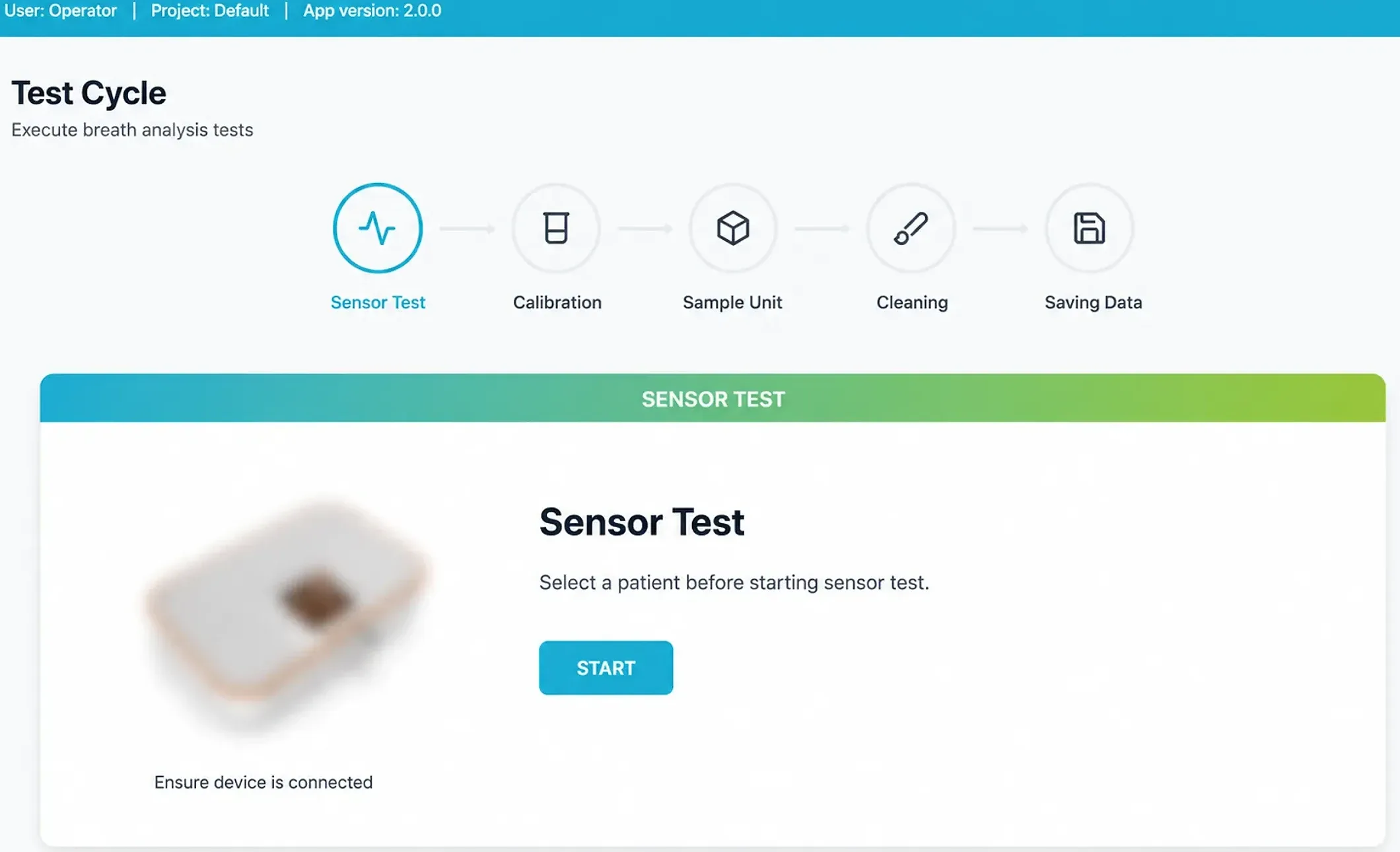

A cloud platform that preserved every core legacy workflow.
A medical device company needed to replace an aging Windows Forms application without disrupting critical data management and reporting. Legacy formats made its data difficult to access and share.
We built a cloud-native platform with a browser-based interface and REST APIs, preserving all core legacy functionality. Both systems ran in parallel during the phased migration to maintain operational continuity and regulatory compliance.
Results
- Core legacy coverage
- 100%
- Data accessibility improvement
- 30-40%
- Maintainability improvement
- 20-30%








Certified, accredited and independently reviewed
SaaS product
development
services
Choose the engineering support your roadmap needs.
Senior engineers review specifications, code and tests
throughout delivery.
- Custom Software Development Build product workflows and APIs around your customers and roadmap.
- AI Test Automation Turn agreed requirements into automated tests that run on every change.
- Vibe Code Rescue & Cleanup Review AI-generated code, address risks and establish a tested release process.
- Cloud Services Improve deployment, monitor usage and plan infrastructure for growing demand.
- Web & Mobile Development Build web and mobile experiences that connect to your SaaS platform.
How much does it cost to develop a SaaS product?
The cost depends on your product’s scope, integrations, security requirements and expected scale. We assess those requirements before proposing a delivery plan. Eastgate offers project-based delivery for defined scopes and embedded engineering teams for products with an evolving roadmap.
How long does it take to build a SaaS MVP?
Eastgate’s product engineering offering lists an indicative MVP timeline of 8–12 weeks. Your schedule depends on the core workflows, integrations and technical requirements. We use discovery to agree on a focused first release, then develop the product through reviewable milestones.
How do you build a multi-tenant SaaS platform that can scale?
We design tenant isolation, configuration and data residency into the architecture from the start. Our engineering teams combine cloud infrastructure, automated testing and performance optimization to help your platform serve more customers while keeping operating costs and release quality under control.
How do you keep SaaS customer data secure?
We build security into the architecture and delivery process, including tenant isolation, access controls and automated security checks. Eastgate is ISO 27001 certified. We agree on your product’s security and compliance requirements early so they guide engineering and testing throughout development.
Can you improve an existing SaaS product without rebuilding it?
Yes. We assess your architecture, codebase and delivery process to identify what needs attention and what can be preserved. Our teams can strengthen automated testing, modernize platform components and improve cloud performance through phased changes that support continued product development.
Can you add AI features to our SaaS product?
Yes. Eastgate develops LLM integrations, retrieval-augmented generation (RAG), machine learning features and intelligent workflow automation. We build these capabilities for production use, with monitoring, cost controls and fallback paths, and validate them against your product requirements.
Who owns the source code and intellectual property?
You own the code from the first commit. Source code, delivery pipelines and infrastructure are maintained in your accounts or transferred at handover. Intellectual property assignment is covered in the engagement agreement.
Do you provide maintenance and support after launch?
Yes. Eastgate’s services cover ongoing engineering, release management, service monitoring, security patches and dependency updates. We agree on support responsibilities and priorities with your team so maintenance and new feature development fit your product roadmap.
Let's move your roadmap forward
Tell us what you're building, what's slowing delivery and where you want to go next. We'll discuss the engineering approach with your team.
- Email[email protected]
- Phone(+84) 246.276.3566
- Response TimeWithin 1 business day