Engineering process built
for mission-critical outcomes
You work with our senior-led engineering team in Hanoi, supported by local leads in Europe and Japan. Together, we use an AI-native development cycle built around clear specifications, continuous testing and human approval.
200+ senior-led engineers 500+ projects delivered, 93% of clients return
How we build software for mission-critical outcomes
Traffic signals, motorways, airports and factory lines leave no room for missed deadlines, avoidable rework or surprises in production. That is why planning, design, engineering, QA, deployment and support run as one continuous cycle, with delivery standards shaped in Germany, senior engineers in Hanoi, and domain experts involved from the start.
Our software engineering loop
Tap a stage or swipe the cards Click a stage or drag the wheel
- 1
Plan
- Turn business pain points into clear outcomes
- Align priorities through discovery workshops
- Confirm the plan with domain experts
- 2
Design
- Store versioned specifications in Git
- Define the solution architecture
- Review decisions with domain experts
- 3
Build
- Develop from an agreed plan and tests
- Deliver in two-week increments
- Integrate continuously through CI/CD
- 4
Test
- Run continuous evaluations in CI
- Validate domain-specific behaviour
- Test software quality from end to end
- 5
Deploy
- Clear agent reviews and release gates
- Validate through controller simulation
- Roll out in controlled stages
- 6
Maintain
- Monitor real-world performance
- Turn production signals into the next plan
- Support and improve the system continuously
Production insights feed the next delivery cycle.
Mission-critical software, proven in the real world
The same delivery cycle supports clients across transport, manufacturing and finance. It is backed by more than 12 years of work with Siemens Mobility and Yunex Traffic.
Our senior Vietnam-based teams cost 30-50% less than comparable onshore teams. You retain full ownership of your specifications and IP, while progress is measured against the outcomes that matter to your business.
-
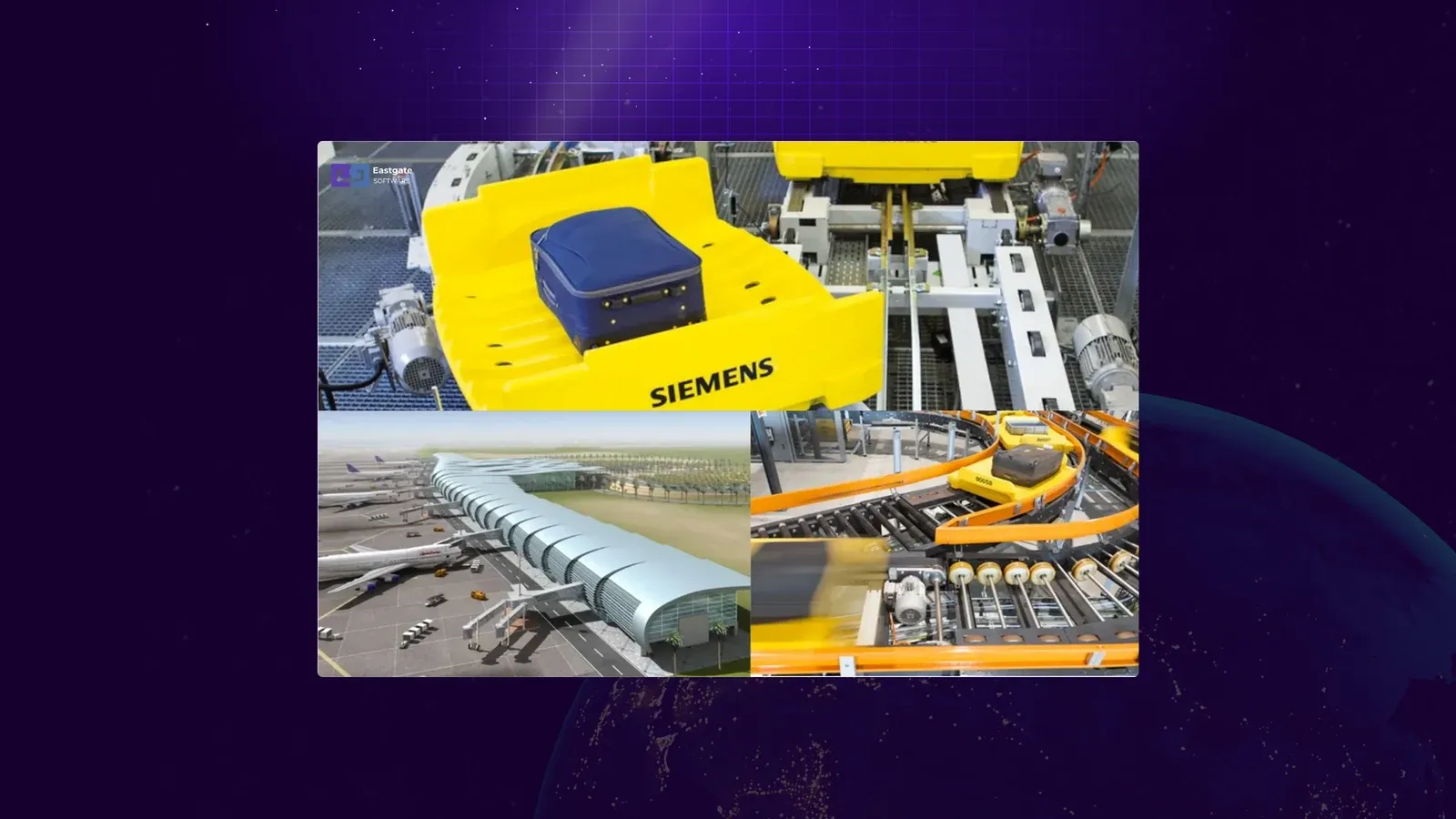
99%
On-time baggage transfer SLA
Mission-Critical Airport Automation
Airports · Multi-site
Dedicated team ITS
-
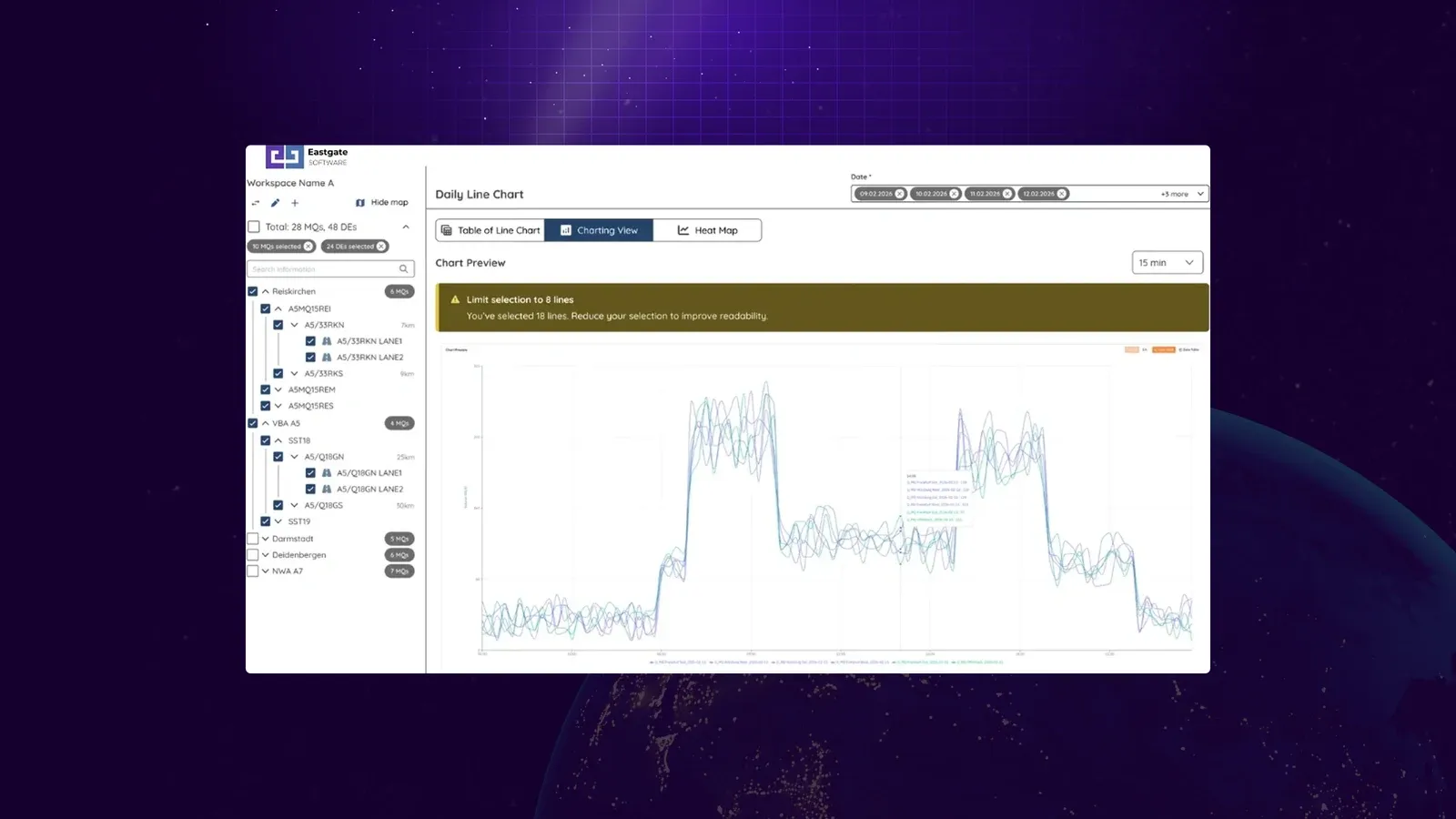
92-95%
Traffic event detection accuracy
Motorway Traffic Prediction at Scale
Motorway platform · Germany
Dedicated team ITS
-
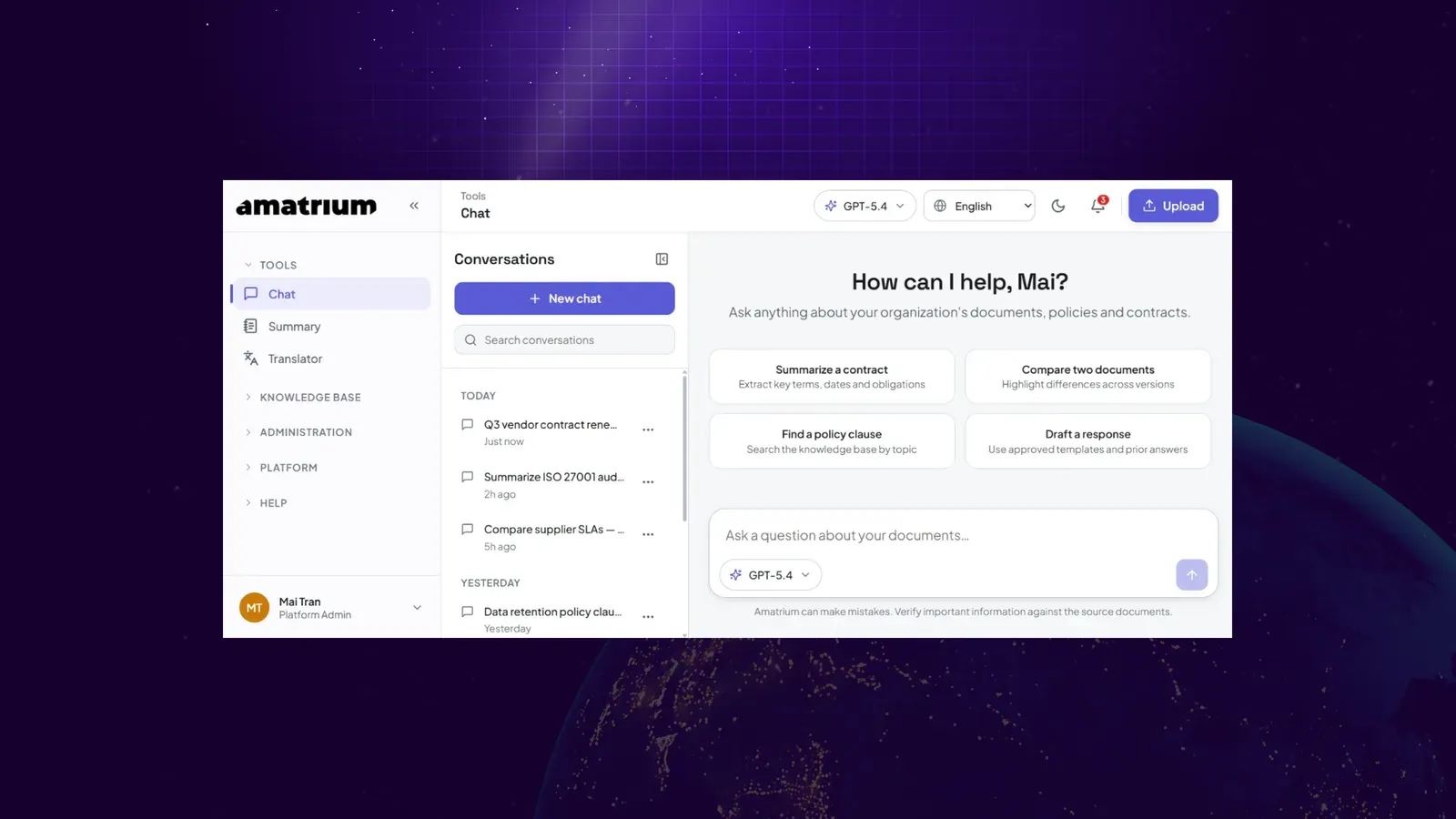
5.5months
From kickoff to production
AmatriumGPT: A Secure AI Knowledge Hub for Materials Engineering
Materials engineering · United States
Project-based Manufacturing
-
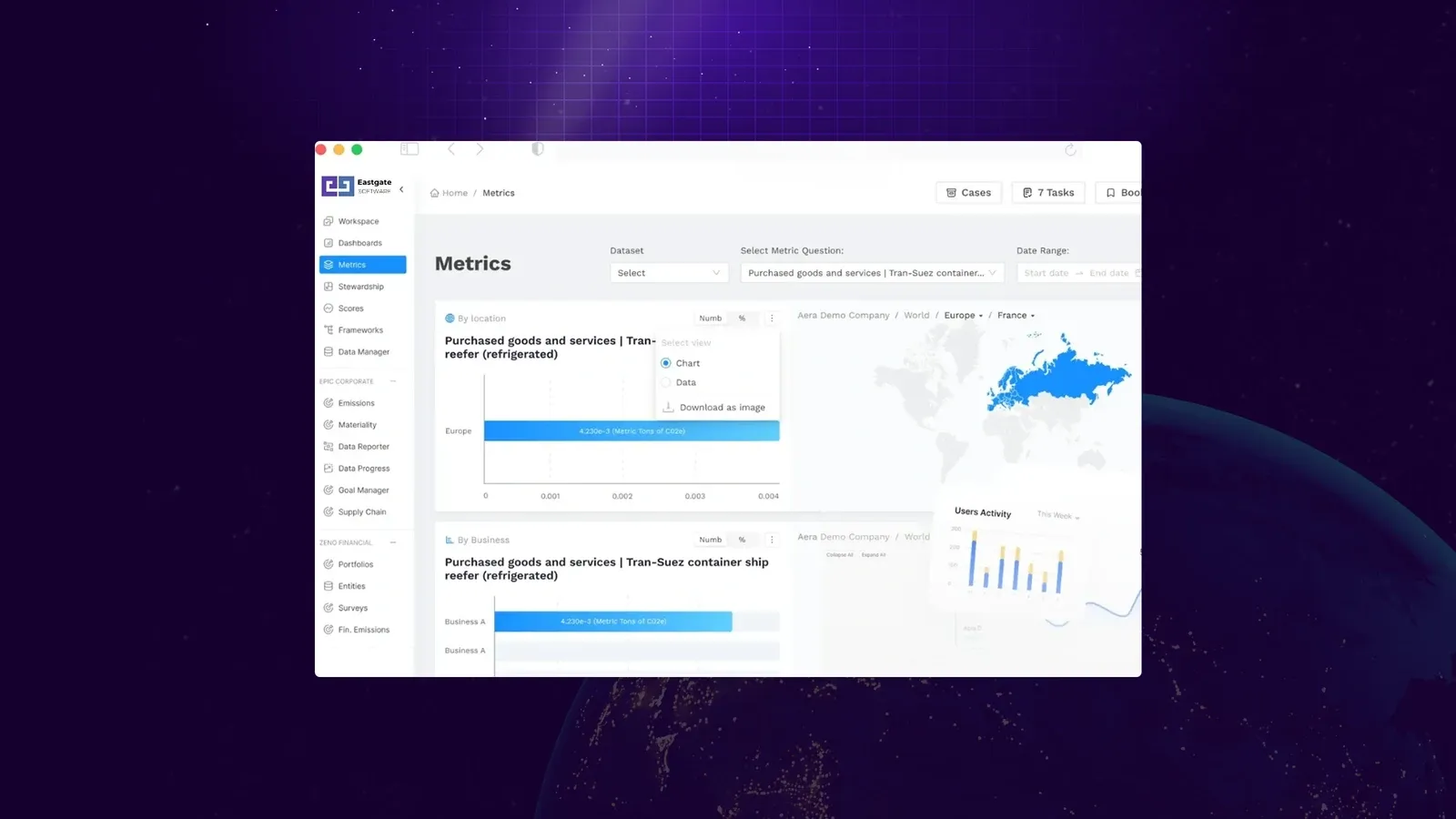
3×
ESG review throughput
ESG Scoring and Reporting Platform
Sustainable finance · Singapore
Dedicated team FinTech
One delivery team, wherever you work
Every engagement brings your team, local delivery leads and our Hanoi engineering team into one working unit. You get communication in your time zone, collaboration in your language and a process that fits the way your organisation already works.
Your team
Product owners and stakeholders join daily meetings and sprint demos during their normal working hours. They set priorities, answer business questions and stay close to every release.
-
Local representatives
Run daily meetings in your time zone, language and working process.
-
On-site leads
Join workshops, go-lives and multi-city rollouts when face-to-face support matters.
-
Project lead
Owns the two-week release cadence and keeps every delivery ceremony moving.
-
Engineering team
Builds from Hanoi with four to six hours of overlap with the European working day.
-
Domain experts
Join every sprint to validate requirements while decisions are still being made.
-
Independent QA
Works within the team so each sprint ends with tested, working software.
Your time zone stays in the loop
Local leads in Europe and Japan run daily meetings during your working hours and in your preferred language. Plans, specifications and code remain visible in shared Jira, Confluence and Git workspaces between calls.
Every two weeks, the team delivers a tested increment. When the work calls for closer collaboration, our engineers join you on site for workshops, go-lives and major rollouts.
Your working day overlaps with our Hanoi engineering team from 09:00 to 14:00.
Hover or tap the chart to see the time in each office.
Quality and security, built into every release
In a mission-critical system, a defect or vulnerability in production is an incident, not another ticket. That is why quality and security operate as one discipline, with two layers of QA, five layers of pipeline protection and consistent gates for every change.
Two layers of QA in every sprint
Software QA runs automated, end-to-end, performance and security tests. Domain QA validates industry-specific logic. Each layer catches risks the other cannot see.
Every change must earn its way to production
Before a change reaches users, it must clear the same quality and security gates. Five security layers protect the pipeline from developer endpoints to deployment, and each layer assumes the one before it could be compromised.
Three ways to work with us
Choose the engagement model that fits your roadmap, scope and level of involvement. Every option includes domain expertise, independent QA and architectural oversight.
-
Dedicated team
A long-term engineering team that grows with your product and roadmap.
Pricing
Time and materials or a monthly retainer
Why choose it
- Direct control. You set the priorities for every sprint.
- Flexible capacity. Scale the team as your roadmap changes.
- Long-term knowledge. Product context stays with one stable team.
Process
- Define roles
- Onboard
- Sprint and scale
- Team
- Remote team managed by Eastgate
- Best for
- Product roadmaps and platform evolution
-
Project-based delivery
A defined scope delivered against agreed milestones, budget and timeline.
Pricing
Fixed price for each milestone
Why choose it
- Clear commitments. Budget and timeline are agreed before delivery begins.
- Delivery ownership. We remain accountable for every milestone.
- Less management. Your team can stay focused on the business while we run delivery.
Process
- Scope
- Plan
- Deliver by milestone
- Team
- Eastgate project team with full delivery ownership
- Best for
- Modernisation, data platforms and private AI
-
Forward-deployed engineers
Embedded engineers take one high-value use case from discovery to production, then help you scale what works.
Pricing
Fixed price followed by outcome-based pricing
Why choose it
- Closer collaboration. Engineers work on site alongside your operational teams.
- Production first. One use case proves its value before wider investment.
- Shared outcomes. Part of our fee depends on the result you measure.
Process
- Discover
- Embed
- Deploy
- Scale
- Team
- Engineers embedded at your site
- Best for
- New AI use cases and operational data
Pay for outcomes, not hours
Forward-deployed engagements begin with a fixed delivery fee. Once a measurable baseline is in place, part of the engagement moves to outcome-based pricing. The bonus is paid only when the agreed KPI reaches its target.
How the fee is built
Example KPIs: processing time, cost per transaction, downtime and automation rate.
Talk to an EngineerHow it works
- 01
Set the baseline
Measure the current KPI together with your team.
- 02
Agree on the target
Define the KPI, the target and exactly how success will be measured.
- 03
Build the fee model
A fixed fee covers delivery. The outcome bonus is tied to reaching the agreed target.
- 04
Measure and pay
Review the result at each agreed interval. The bonus is paid according to the outcome achieved.








Certified, accredited and independently reviewed


Frequently asked questions
How does Eastgate's hybrid delivery model work?
Board and quality standards are set in Germany and senior-led teams in Hanoi deliver the work. Local representatives and on-site leads in the EU and Japan run dailies in your time zone, language and process, with 4-6 hours of daily EU overlap. The result is the same quality as onshore teams at 30-50% lower TCO.
What is double-layer QA?
Two independent quality tracks inside each team: domain experts test industry-specific logic (protocols, regulations, operational scenarios) while software QA handles functional, performance, and security testing. Both tracks run in parallel on every sprint.
How quickly can Eastgate ramp up a team?
4-6 weeks for a full embedded team with domain expert. Pilot engagements can start in 2 weeks with a smaller team. We maintain a bench of pre-vetted engineers across key technology stacks.
Does Eastgate provide on-site engineers?
Yes. Local representatives and on-site leads in the EU and Japan handle daily communication, and forward-deployed engineers can embed at your site to take a use case to production. Engineers also deploy on-site or near-shore in EU/APAC for critical project phases, go-lives, and stakeholder workshops.
What project management methodology does Eastgate use?
Agile (Scrum/Kanban) on an AI-native SDLC with a 2-week release cadence and continuous domain expert involvement. Shared Jira/Confluence/Git with full transparency. Daily standups, weekly demos, and sprint retrospectives keep everyone aligned.
Does Eastgate offer outcome-based pricing?
Yes. A fixed fee covers delivery and a bonus is tied to hitting an agreed KPI target. We measure today's KPI with your team, agree the target and how it is measured, then review results each period. It needs a clear baseline, data access, a KPI within our scope, and scope-change terms.
How does Eastgate handle GDPR and data security?
ISO 27001 and ISO 9001 certified, with ISO 42001 for AI governance in progress. GDPR/ISMS compliance is built into every engagement from day one, SOC 2 Type II aligned. A five-layer secure SDLC puts automated security gates in every pipeline.
What makes Eastgate different from other engineering services firms?
Every engagement includes domain experts (not just coders), double-layer QA, architectural oversight, and ACDC (Agent-Centric Development Cycle). 93% of clients return because we deliver outcomes, not hours.
Ready to see our process in action?
Start with a 30-minute call, or go straight to a pilot engagement. Our engineers respond within 1 business day with a concrete next step.
- Email[email protected]
- Phone(+84) 246.276.3566
- Response TimeWithin 1 business day